Expert guide
Everything you need to know about Midea 5
A detailed, honest look at performance, fit, and value—written to help you decide with confidence.
Overview
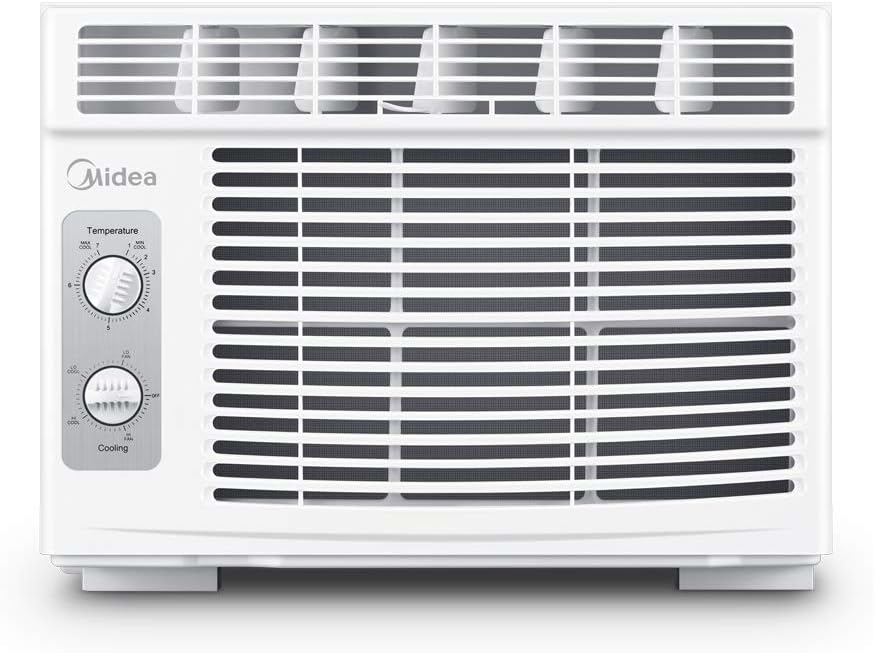
The Midea 5,000 BTU EasyCool window air conditioner is built for small rooms—bedrooms, home offices, and compact living spaces up to about 150 square feet—where a full-size unit would be overkill and a portable floor unit would eat floor space. Mechanical controls keep operation straightforward: knobs or switches for mode and temperature without navigating app menus or remote batteries.
Window installation places the heavy compressor section outside, exhausting heat to the exterior while blowing cooled air into the room. That architecture is more efficient per BTU than many single-hose portable air conditioners for steady cooling in one enclosed space. For renters and homeowners with double-hung windows, a 5,000 BTU unit is often the entry-level sweet spot for taking the edge off summer nights without a major electrical upgrade.
Cooling Capacity and Room Sizing
Five thousand BTU per hour is appropriate when manufacturer guidelines match roughly 150 square feet under average conditions: standard ceiling height, moderate sun exposure, and reasonable insulation. Oversizing a bedroom AC can cause short cycling—frequent on-off bursts that cool quickly but dehumidify poorly, leaving a clammy feel. Undersizing leaves the unit running continuously on the hottest afternoons without reaching the set comfort point.
Heat loads rise with large south-facing windows, attic bedrooms, computers, and occupancy. A home office with a gaming PC and monitor may need a step up in BTU compared with a spare guest room used lightly. Treat 150 square feet as a starting estimate, not a guarantee for every sun-baked loft. Midea positions this model for small bedroom and office duty where a single sleeper wants reliable night cooling.
Mechanical Controls and Daily Use
Mechanical controls favor reliability and transparency: you see and feel the setting without unlocking a phone. Typical modes include cool, fan-only, and sometimes adjustable fan speeds for white noise or circulation. There is no smart-home integration burden, which appeals to seniors, rentals, and anyone who wants guests to operate the unit without instructions.
Fan-only mode helps spring and fall nights when you want air movement without compressor noise or energy draw. Cool mode cycles the compressor based on the thermostat knob position—less precise than digital setpoints but adequate when you adjust by feel. Expect audible compressor hum and fan whoosh; window units are not whisper-quiet, though a 5,000 BTU compressor is smaller and often less intrusive than high-BTU models.
Filter, Efficiency, and Maintenance
A reusable washable filter is standard on this class of Midea window AC. Slide the filter monthly during heavy use, rinse, dry completely, and reinstall to maintain airflow and efficiency. Clogged filters reduce cooling, ice the evaporator, and increase energy use. The exterior chassis may be wiped down; keep electronics dry and never power-wash the unit.
Annual checks include inspecting the side accordion panels for gaps, confirming the window bracket supports weight safely, and clearing debris from the outdoor condenser area if bushes encroach. Store the unit indoors or under a breathable cover in winter climates where leaving it mounted risks drafts and heat loss. Drainage on window units usually exits the rear pan to the outside; ensure the unit tilts slightly backward per installation manual so condensate does not pool indoors.
Installation Considerations
Window AC installation requires a compatible sill, support bracket or upper sash lock, and often foam side seals to block hot air infiltration. Measure window width and minimum height opening before purchase; slider windows and casement windows may need adapter kits or are incompatible. Electrical needs are typically a standard 115-volt household outlet on a dedicated circuit without sharing high-draw appliances on the same breaker.
Two-person installation is safer because even compact units are awkward and heavy. Secure the unit so vibration does not shake it loose, and seal gaps to prevent insects and warm air bypass. Landlords may restrict window units or require bracket proof; check lease terms. Proper install dramatically affects perceived BTU performance more than brand badge alone.
Best Use Cases
Ideal scenarios include a small bedroom where central HVAC is weak or absent, a dorm-style room, a rental studio, and a dedicated home office you occupy daily. It also suits seasonal cabins and additions where extending ductwork is impractical. Less ideal for open-plan great rooms, kitchens with heavy heat loads, or rooms over 150 square feet without stepping up BTU rating.
Pair with a ceiling fan or tower fan from ChillDwelling to circulate cooled air and allow a slightly higher thermostat setting, saving compressor runtime. Close doors to adjacent hot zones so the BTU you bought works on the space you occupy, not the whole hallway.
Who Should Buy
Buy the Midea 5,000 BTU EasyCool if you have a rightsized small room, a suitable window, and want simple mechanical cooling without smart features. It fits budget-conscious cooling upgrades and supplemental AC where central air is insufficient at night. Skip if your room is large, sunny, or open-concept; you likely need higher BTU or a different system entirely.
Compare portable AC only if window install is impossible and you accept efficiency tradeoffs. Compare higher BTU Midea models if measurements and heat load exceed small-bedroom assumptions. For many users, this unit is the correct first step into real room air conditioning.
Final Thoughts
Small window air conditioners are unglamorous but effective when matched to room size and installed carefully. Midea’s 5,000 BTU mechanical model delivers honest cool air for modest footprints, washable filter maintenance, and controls anyone in the household can understand.
Measure your space, seal the window, clean the filter, and a 150-square-foot sanctuary from summer heat is achievable without central air renovation—a practical anchor for any ChillDwelling cooling plan.
Common questions
Quick answers before you buy
- What room size is a 5,000 BTU window AC good for?
- Midea rates this unit for up to about 150 square feet under typical conditions. Sunny, poorly insulated, or high-ceiling rooms may need a higher BTU model. Measure your space and account for windows, electronics, and how many people occupy the room.
- Does this Midea unit have digital or Wi-Fi controls?
- The EasyCool model described uses easy mechanical controls—knobs or switches—not app-based smart control. That simplifies operation and avoids connectivity issues, but you will adjust settings at the unit itself rather than from your phone.
- How do I clean the reusable filter?
- Remove the front-access filter according to the manual, vacuum loose dust, rinse with lukew water if needed, dry completely, and reinstall. Monthly cleaning during peak season helps airflow and prevents ice formation on the coils from restricted air.
- Will a 5,000 BTU AC run on a standard outlet?
- Most 5,000 BTU window units operate on 115-volt household circuits. Use a grounded outlet in good condition and avoid sharing the circuit with high-draw appliances. If breakers trip repeatedly, have an electrician check load and wiring.
- Is window installation difficult for one person?
- It is possible but awkward because of weight and balance. Two people improve safety and sealing quality. Follow Midea’s bracket and tilt instructions, support the unit per manual requirements, and foam-seal side gaps to prevent warm air leaks that cut cooling performance.